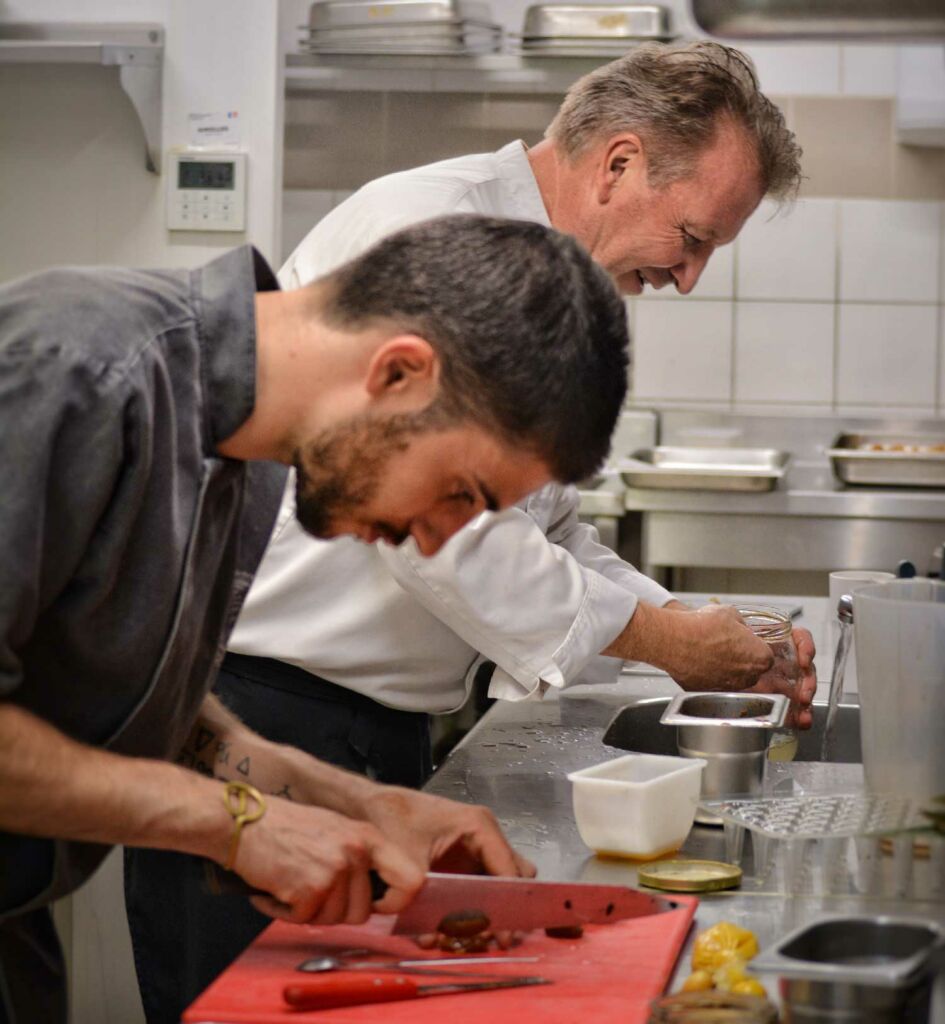
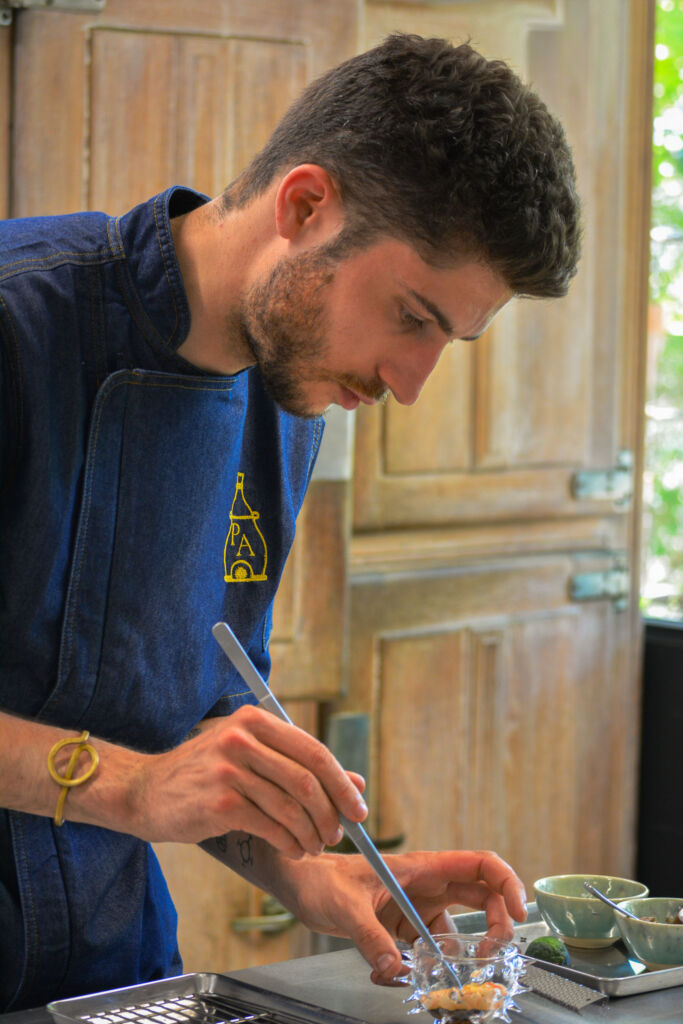
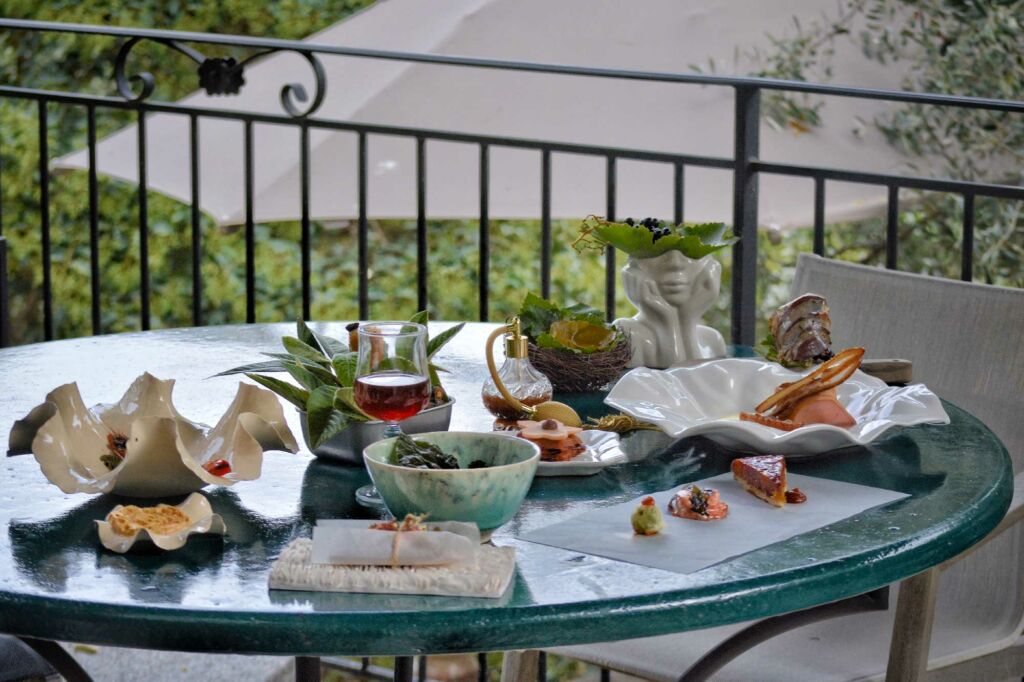
For their second four-hands dinner, Benoît Witz and Théo Sanchez continue to explore the many facets of plant life. Leaves, flowers, seeds, branches and fruits picked at different stages of ripeness become the ingredients of a cuisine where fermentation reveals unexpected new flavours.
Across five courses, the chefs give a new role to parts of the plant rarely used in cooking. Fermented, smoked, infused, preserved or dried, they are paired with prawns, duck or pork in indulgent and sometimes unexpected combinations.
The menu also echoes the myths that have surrounded these plants for centuries, and the connections they forge with animals, landscapes and people. Adam and Eve’s fig leaf, the vine and the many faces of intoxication, maize and chilli at the heart of Aztec beliefs, quince on royal tables or the tomato, long considered poisonous in Europe: stories that have inspired the chefs’ imagination.
This culinary journey begins at 7.30 pm with a convivial aperitif under the tent at Jardin Secret restaurant, before continuing around a communal table, with each course accompanied by stories shared by the chefs.
19 September Menu
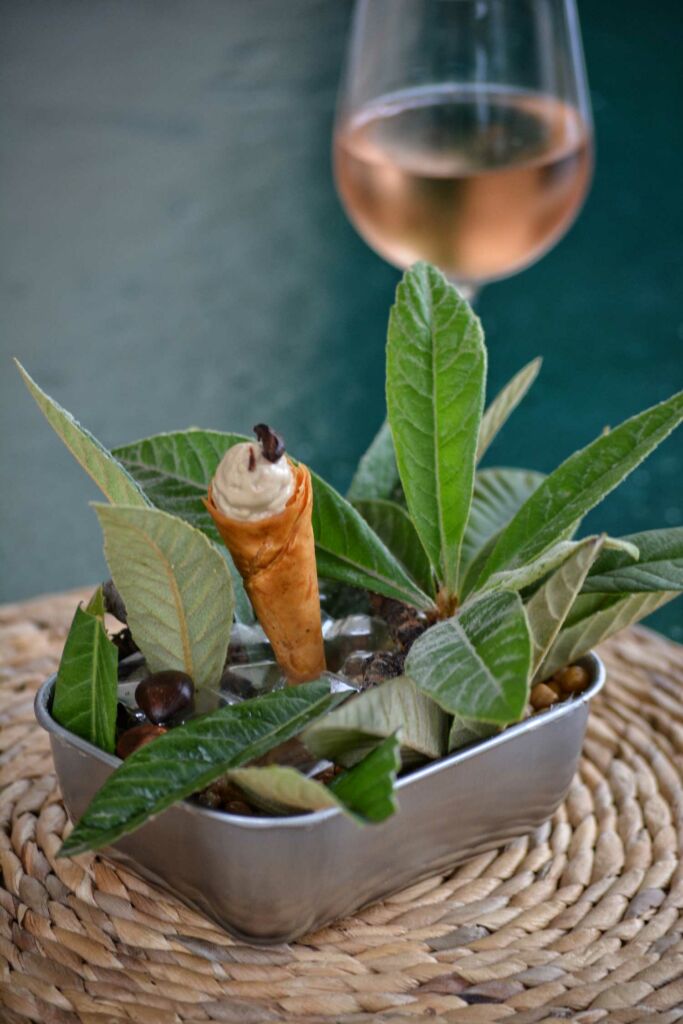
Fig Fig leaf, fresh fig, goat’s cheese nougat.
Vine Vine leaf, smoked egg yolk, green and fresh grapes, cured duck, grape with absinthe.
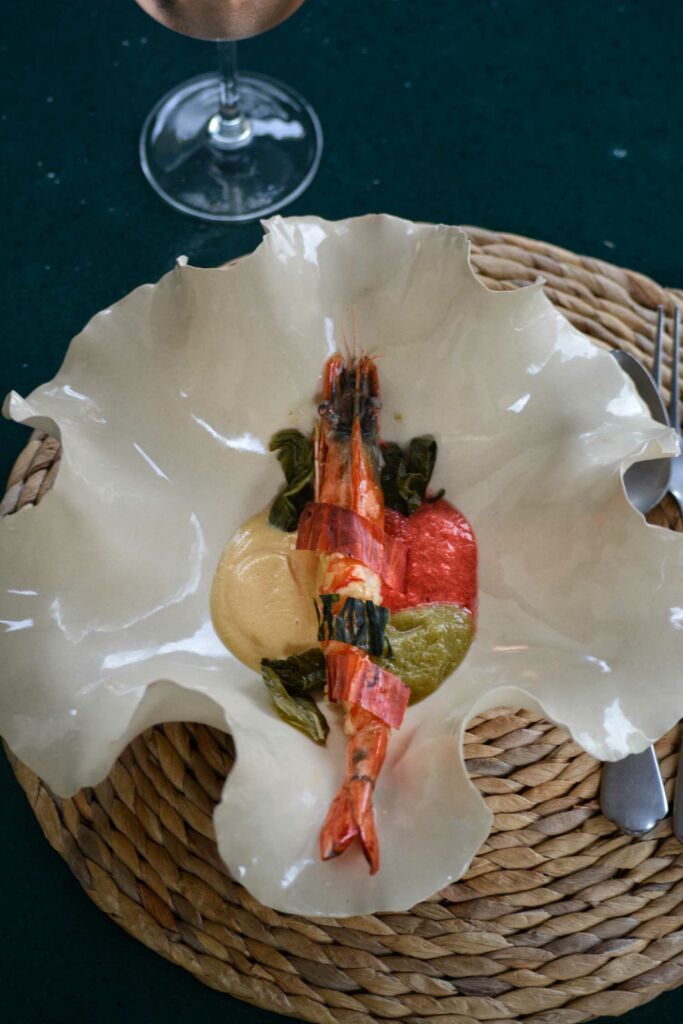
Maize and Chilli Prawn aguachile, chilli prepared in several ways, popcorn miso, sweetcorn cream.
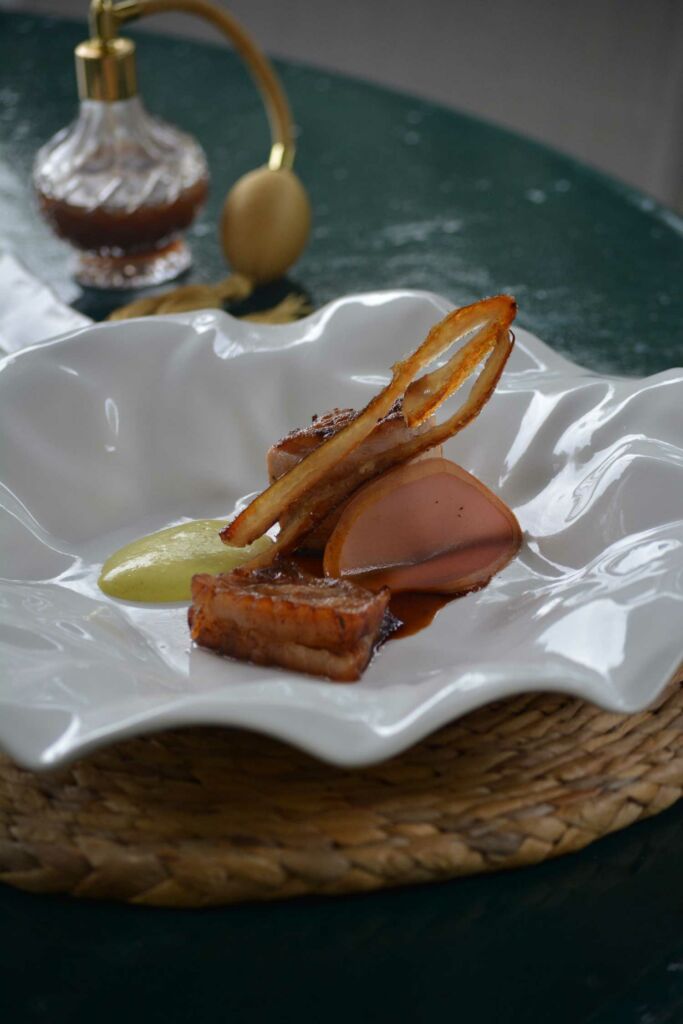
Quince Pressed pork belly, quince tart, black quince preserve, jus with quince blossom miso, quince vinegar.
Tomato Honey-roasted tomato, tomato picked before ripening, tomato seed praline, ice cream infused with tomato leaves and stems, dried tomato tamari.
Meet Théo Sanchez
After working in Michelin-starred and fine dining restaurants across France, the United Kingdom, Spain and Sweden, Théo Sanchez has developed a contemporary culinary approach centred on fermentation, heritage ingredients and the preservation of artisanal know-how. His work brings together gastronomy, art and symbolism.
Founder of the gastronomic events Ooway and the fermentation laboratory Prima Athanor, he explores the connections between food, culture and transformation. Drawing on French, Nordic, Mediterranean, African and Japanese influences, his work is guided by a deep respect for flavour, the transmission of traditions and the expression of terroir.
Now based in the south of France, he divides his time between creating fermented products, organising culinary events and sharing his expertise through an approach where research, technique and poetry converge.
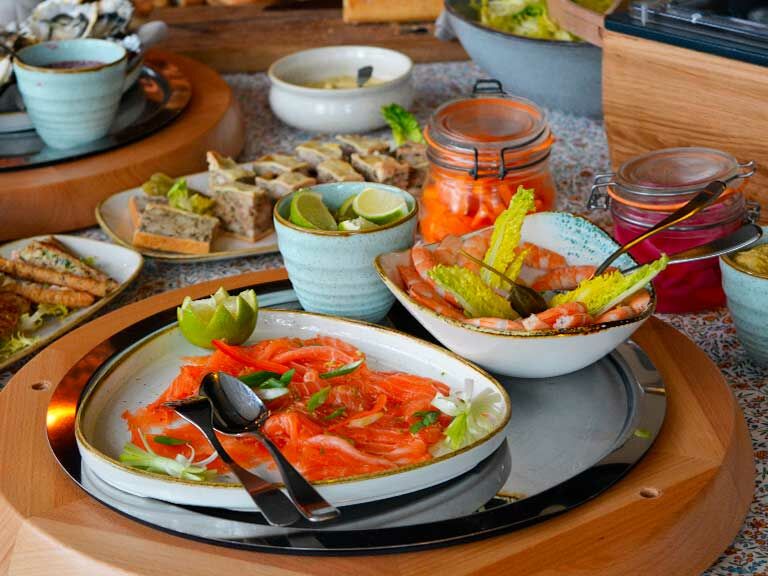
The smell of warm croissants, the sizzle of flame-grilled meats, the crack of a sea bream’s salt crust… Every Sunday, Le Bistrot’s flavoursome cooking takes on the feel of a feast, with a generous buffet bringing together local produce and fresh culinary inspiration.
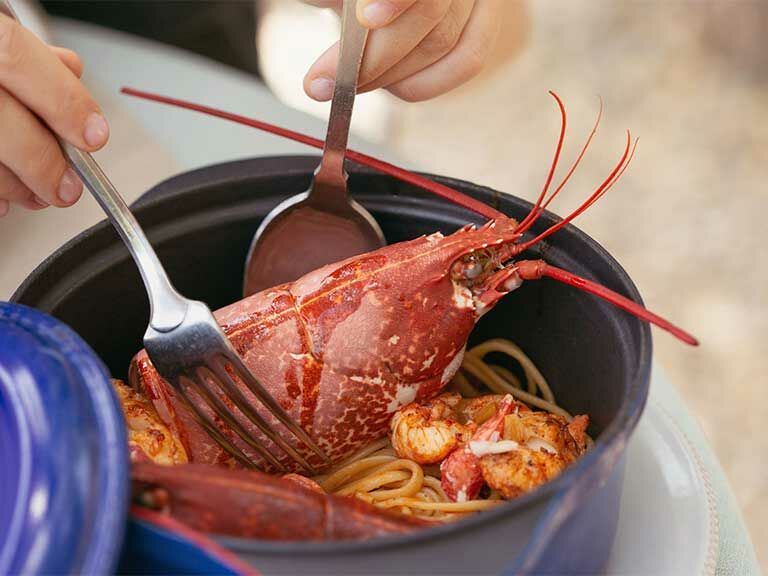
Every Saturday lunchtime, lobster takes centre stage. Hot or cold, simmered, sautéed or flame-grilled, Benoit Witz cooks it in line with the kitchen garden and market. A four-course set menu, renewed weekly, ending with creations from our pastry chef.
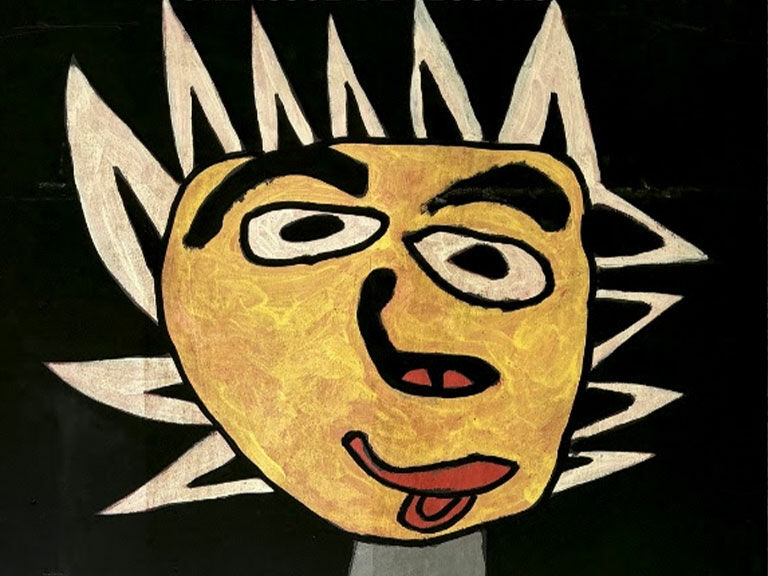
For Mental Health Awareness Weeks, the exhibition brings together art by patient artists at the Atelier d’Art of the Établissement de Psychiatrie du Var, artists working with them and contemporary artists, alongside works from the Atelier’s archives and the Centre d’art La Falaise collection.
To mark the Vignobles en Scène festival, wine takes a playful turn in cocktails. Alongside Thomas, our mixologist, follow the Spritz through time, lifted by Prosecco bubbles, then create Negroni variations by playing with the aromas of vermouth. A different way to appreciate wine’s nuances.
To mark the Vignobles en Scène festival, Jardin Secret welcomes Clos de Caille, a family-run, certified organic estate in Entrecasteaux. Benoît Witz has created a four-course menu centred on autumn produce, paired with three wines introduced at the table by Guillaume Galliano.
To mark the Vignobles en Scène festival, wine takes a playful turn in cocktails. Alongside Thomas, our mixologist, follow the Spritz through time, lifted by Prosecco bubbles, then create Negroni variations by playing with the aromas of vermouth. A different way to appreciate wine’s nuances.
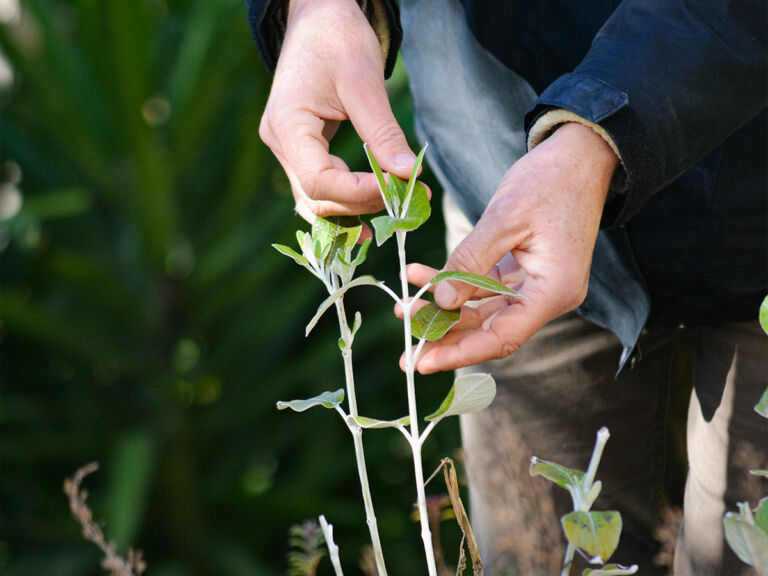
Are you interested in learning about wild plants? Vera Schütz, a native of the country, takes you on a tour of Lou Calen’s gardens to discover Provençal plants and their forgotten virtues. After studying phytotherapy and herbalism, she shares all her knowledge about wild plants.
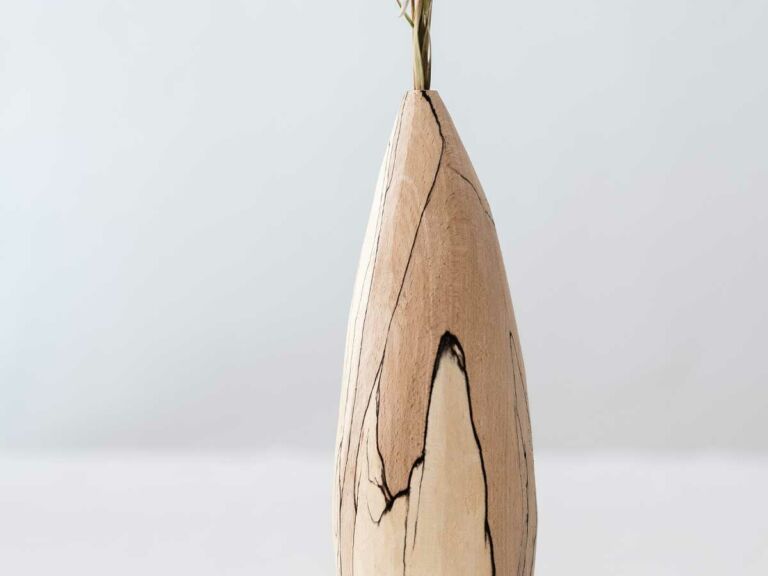
Guided by Mathieu Segret, you will painstakingly sculpt a vase, scrape by scrape, using a kiridashi, a traditional Japanese knife. You will learn different sculpting gestures and leave with your wood creation as well as with the tools needed to carve wood at home should you wish to.