Marseille in a Day: The Guide to What Not to Miss

10/23/2026
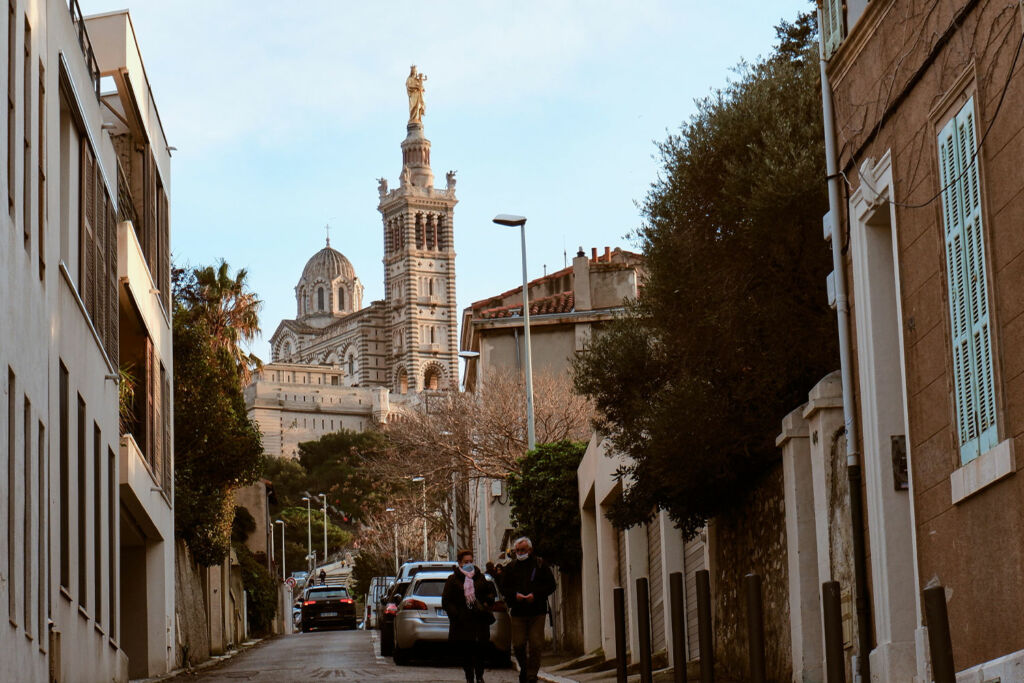
Notre-Dame-de-la-Garde à Marseille

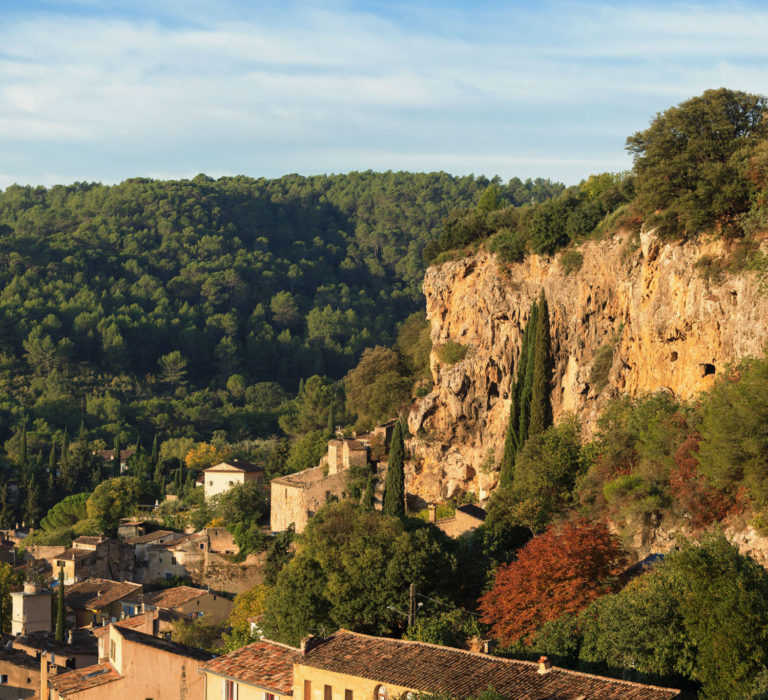
Just over an hour from Cotignac, Marseille offers a completely different Provençal landscape. Far from the rolling hills and villages dotted about the Var, this city stretches out along the Mediterranean coast. The Old Port, historic districts, museums, and contemporary architecture create a city of many faces – far too vast to explore fully in a single day. Yet, a few hours are enough to discover several of its iconic landmarks; whether you focus on heritage, art, or the seaside, depending on your preference. Wondering what to do in Marseille in one day? Follow this comprehensive guide.

5 must-see spots to discover Marseille’s historic heart

Founded by the Phoceans over 2,600 years ago, Marseille is one of France’s oldest cities. Its history is still visible around the Old Port, in the narrow streets of Le Panier, and the fortifications guarding the harbour entrance. A solid half-day allows you to visit these five iconic sites, almost all of which are clustered around the historic centre.

The Old Port (Vieux-Port)

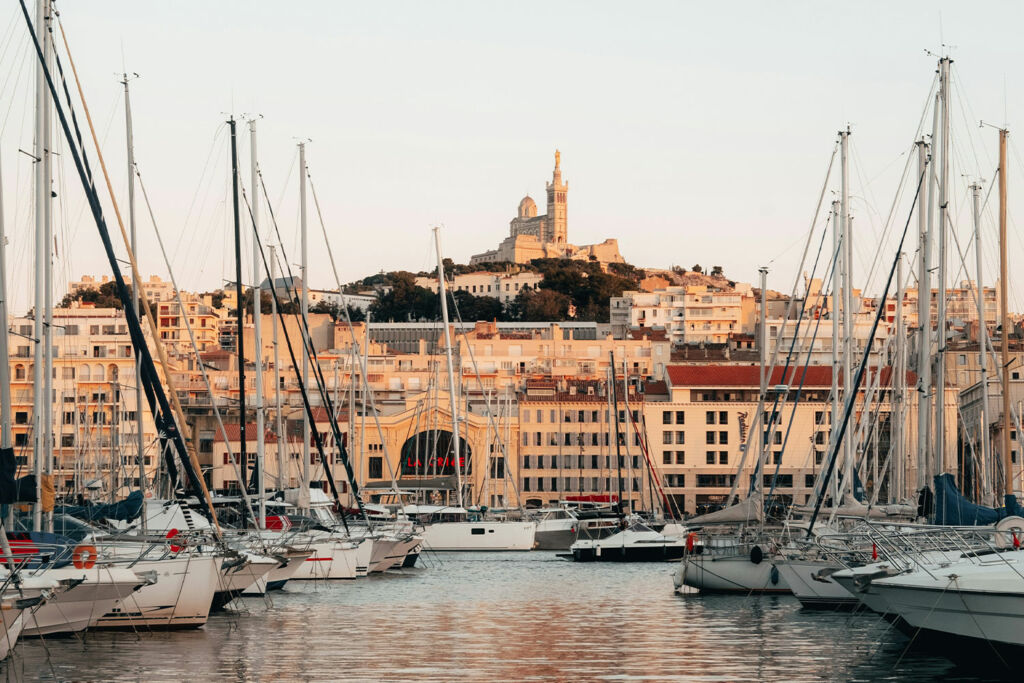
Marseille, le Vieux Port et la Bonne Mère

This is where Marseille’s story begins. The city grew over twenty-six centuries around this natural harbour where the Greeks founded ‘Massalia’. To this day, the OId Port shorefront quays remain a major gathering place, where fishing boats and pleasure craft sit beneath the watchful gaze of Notre-Dame-de-la-Garde.

Le Panier District

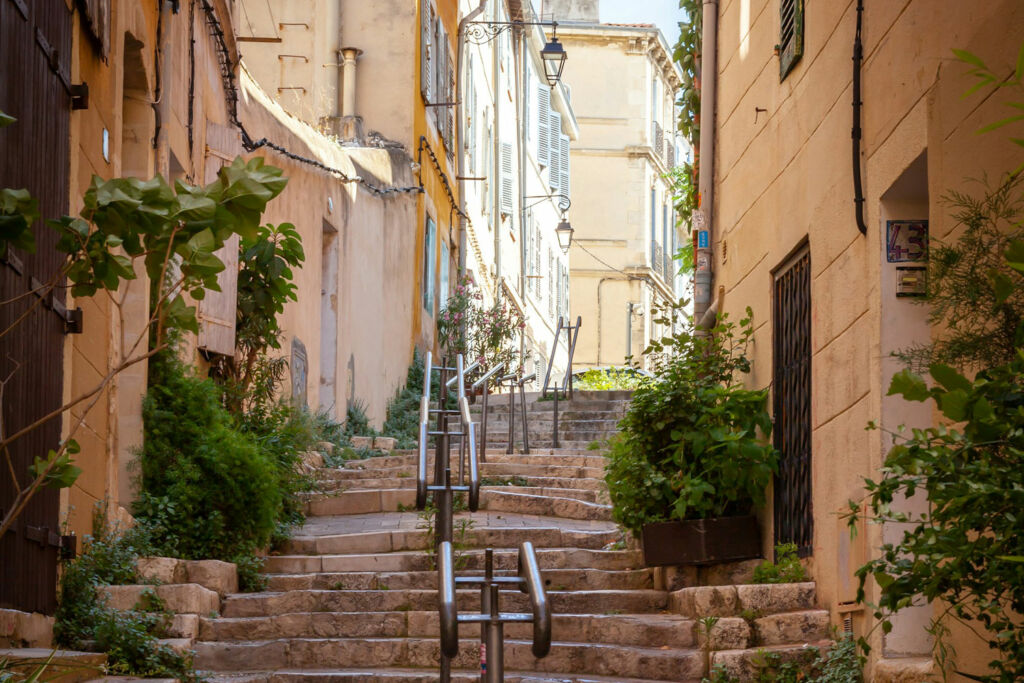
Quartier du Panier à Marseille

Just a short walk from the Old Port, Le Panier is Marseille’s oldest neighbourhood. Its narrow streets wind from square to square, lined with old facades, workshops, small boutiques, and colourful walls. Such a walk reveals a more intimate side of the city.

‘La Major’ Cathedral

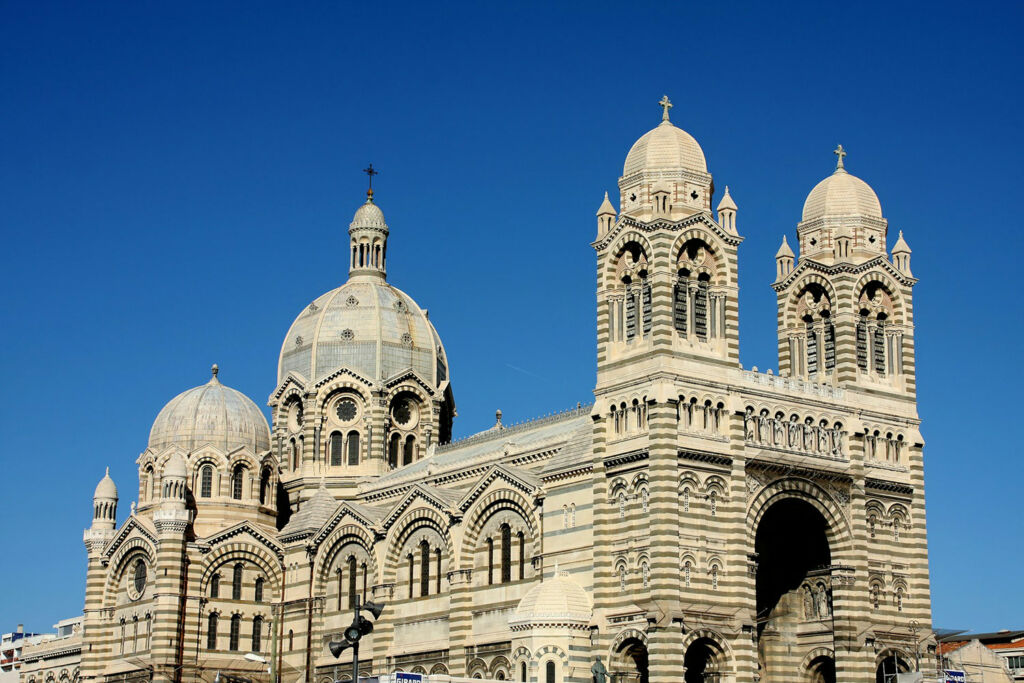
Cathédrale de la Major à Marseille

Situated between Le Panier and the waterfront, the Sainte-Marie-Majeure Cathedral (known as La Major) is striking for its sheer size and its architecture. Built in the 19th century in a style blending Romanesque and Byzantine influences, it now overlooks the esplanade leading to the Mucem and Fort Saint-Jean.

Fort Saint-Jean

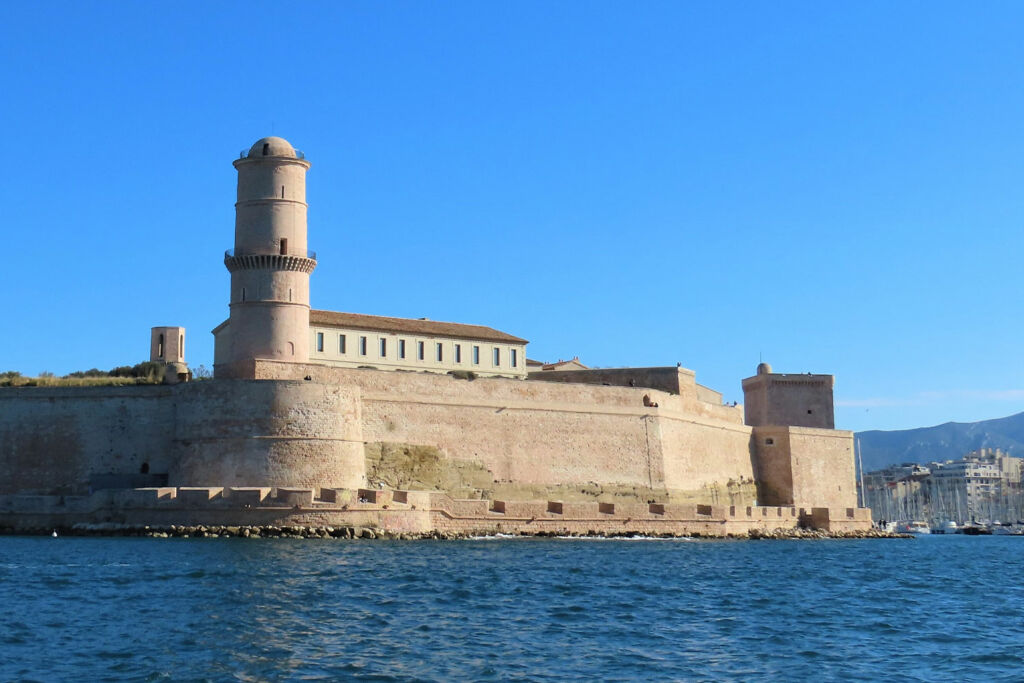
Fort Saint Jean à Marseille
Crédit photo : Rémih / Wikimedia Commons – CC BY-SA 4.0 – image recadrée

Standing at the entrance to the Old Port, Fort Saint-Jean bears the marks of centuries of military and maritime history. Now part of the Mucem complex, its ramparts and gardens are open to the public and offer beautiful views of La Major cathedral, the harbour, and the Mediterranean.

Notre-Dame-de-la-Garde

Perched high above Marseille, Notre-Dame-de-la-Garde is a constant presence in the cityscape, visible from almost anywhere you look. Known to locals as “La Bonne Mère” (The Good Mother), the basilica is well worth a visit for its Romano-Byzantine architecture and the panoramic views of the city.

6 museums and art centres to explore Marseille from a different perspective

In Marseille, art takes on diverse settings—from a seaside museum and a former almshouse to a repurposed industrial site or a contemporary architectural landmark. With everything from modern and contemporary collections to major seasonal exhibitions, the cultural scene is exceptionally rich. A single day won’t be enough to see it all; pick one or two stops based on your itinerary, your interests, and the current program.

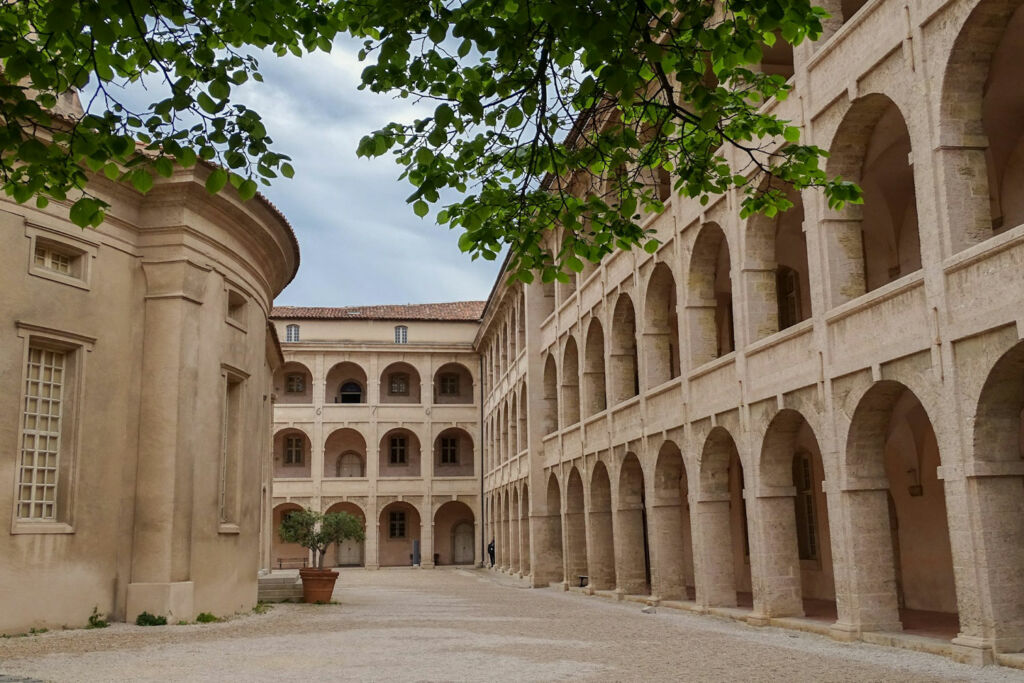
La Vieille Charité

La Vieille Charité à Marseille

Located in the heart of Le Panier, La Vieille Charité occupies a former 17th-century almshouse, organised around a remarkable domed chapel. Today, it houses the Museum of Mediterranean Archaeology, the Museum of African, Oceanian, and Amerindian Arts, as well as major temporary exhibitions.

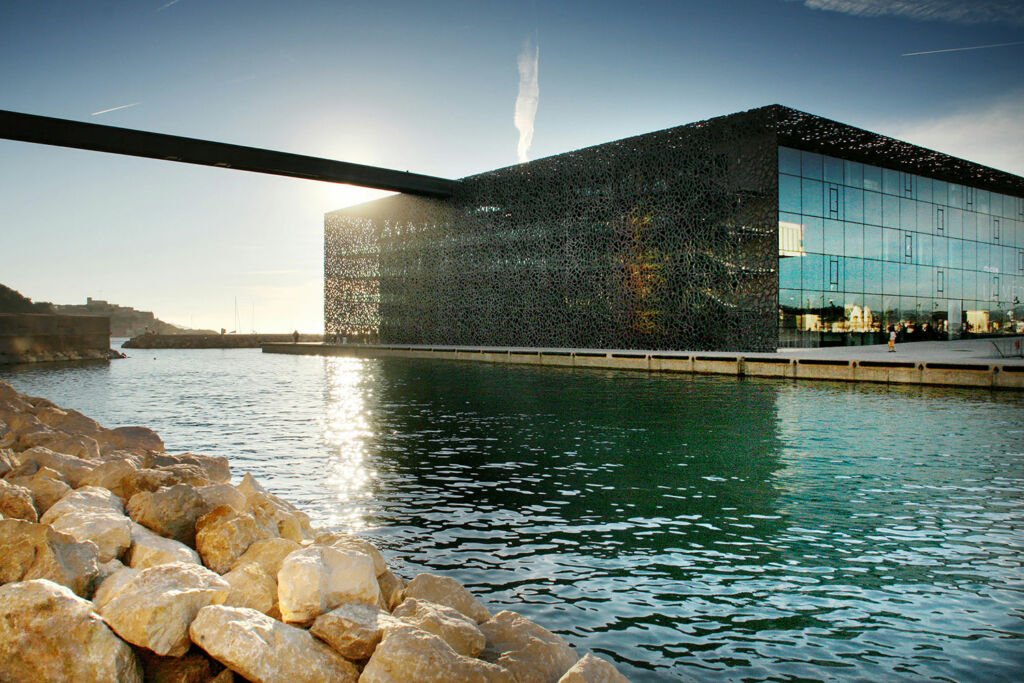
Mucem

Situated facing the Mediterranean, Mucem explores the cultures and societies along its shores, from antiquity to the present day. The J4 building—designed by Rudy Ricciotti and Roland Carta – houses collections and major exhibitions behind its iconic concrete latticework and connects to Fort Saint-Jean via a suspended footbridge.

Frac Sud

Frac Sud - Cité de l'art contemporain à Marseille
Crédit photo : Fred Romero / Wikimedia Commons – CC BY 2.0 – image recadrée

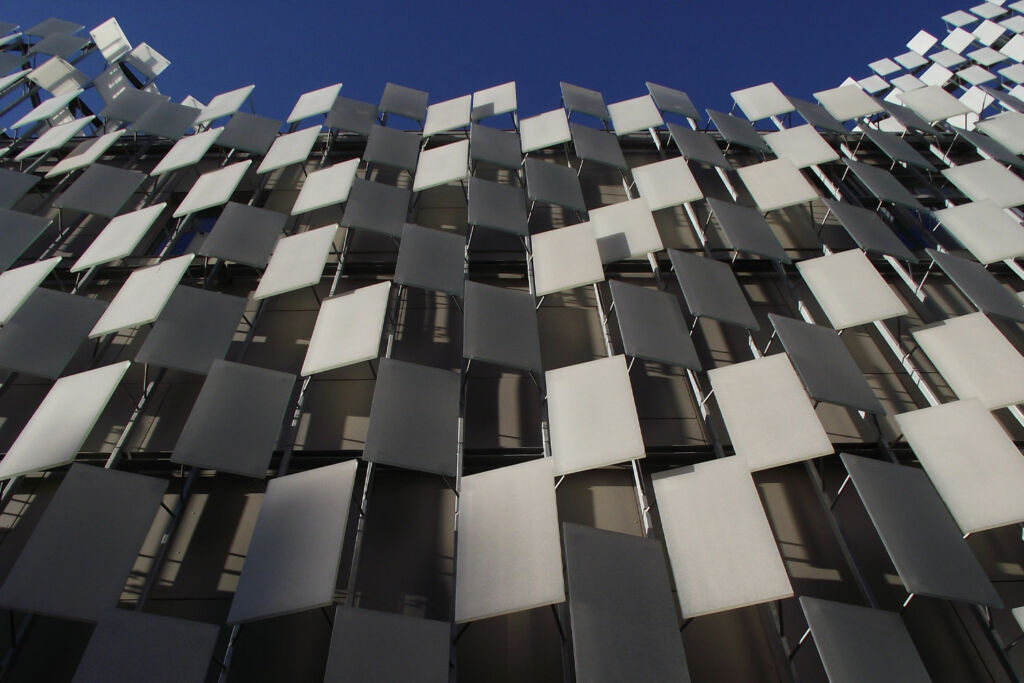
Located in the Joliette district, Frac Sud brings together a significant art collection dedicated to contemporary art and presents a rotating programme of exhibitions throughout the year. Its building, designed by Japanese architect Kengo Kuma, has itself become a landmark of the neighbourhood’s architectural transformation.

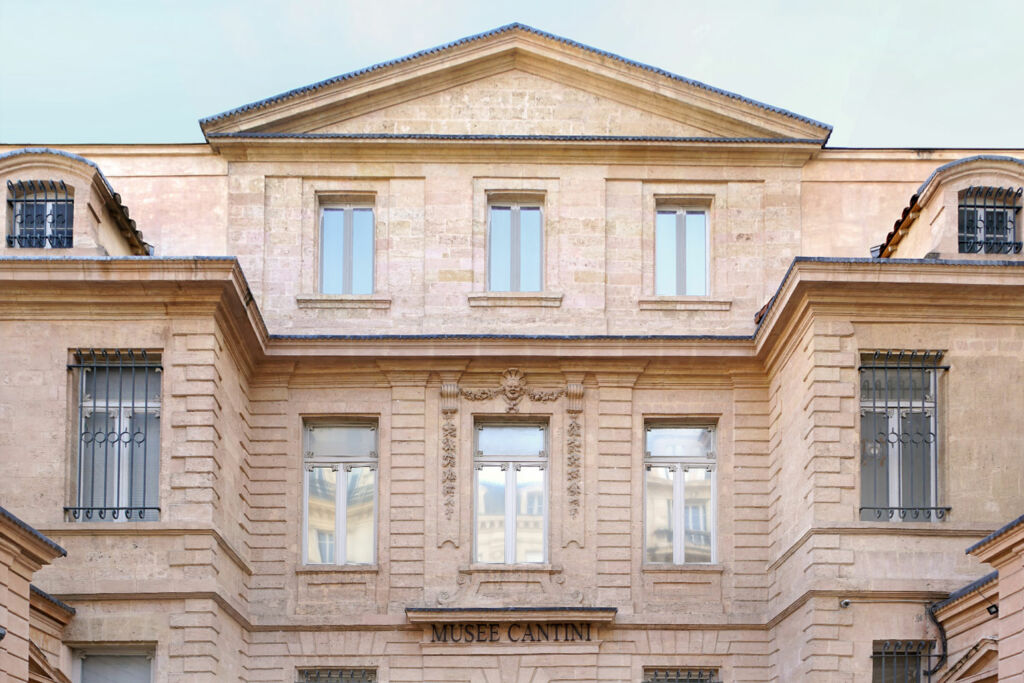
Musée Cantini

Musée Cantini à Marseille
Crédit photo : Jean-Pierre Dalbéra / Flickr – CC BY 2.0 – image recadrée

Housed in a 17th-century private mansion just a few streets from the Old Port (Vieux-Port) the Musée Cantini is dedicated to modern and contemporary art. Its exhibition path spans the 20th century to the present day, with a special focus on avant-garde movements and the artistic exchanges connecting Marseille to the Mediterranean and beyond.

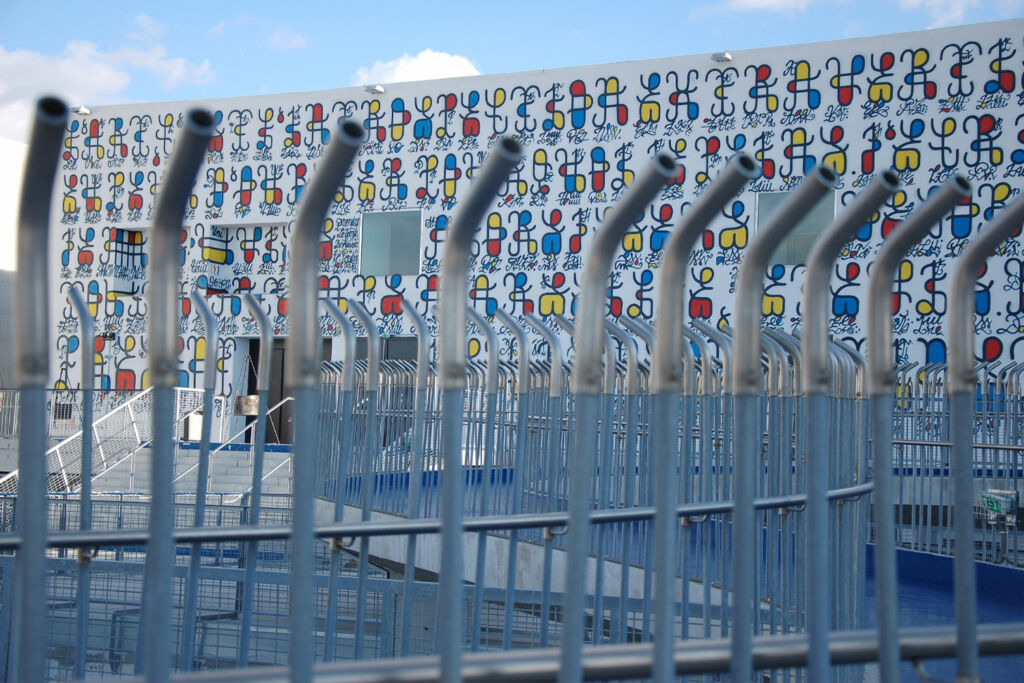
La Friche la Belle de Mai

Friche la Belle de Mai à Marseille
Crédit photo : Charlotte Noblet / Wikimedia Commons – CC BY-SA 4.0 – image recadrée

Located in the former Belle de Mai tobacco factory, La Friche brings together exhibition halls and artist studios on a vast site dedicated to contemporary creativity. The Triangle-Astérides art centre supports both emerging and established artists through exhibitions and residencies, with a programme that looks broadly toward Europe and the Mediterranean.

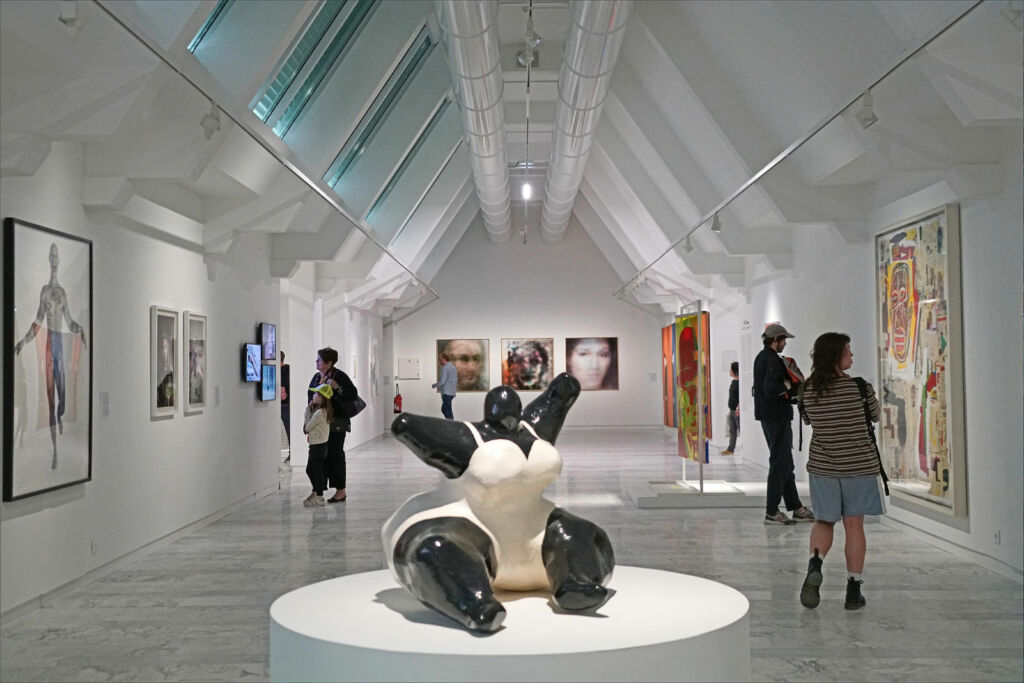
[mac]

Crédit photo : Jean-Pierre Dalbéra / Flickr – CC BY 2.0 – image recadrée

Further south in the city, the [mac] – Museum of Contemporary Art houses nearly a thousand works dating from the 1960s to the present. Movements such as New Realism, Narrative Figuration, Arte Povera, Fluxus, and Supports/Surfaces – alongside installations and video art – offer a journey through decades of contemporary art in a museum entirely dedicated to recent creative work.

3 neighbourhoods to experience today’s Marseille

Beyond its monuments and museums, Marseille also reveals itself through its neighbourhoods. Cours Julien, Saint-Victor, and Vauban showcase three very different sides of the city – perfect spots to include in your itinerary for a stroll, a lunch, or a break al fresco.

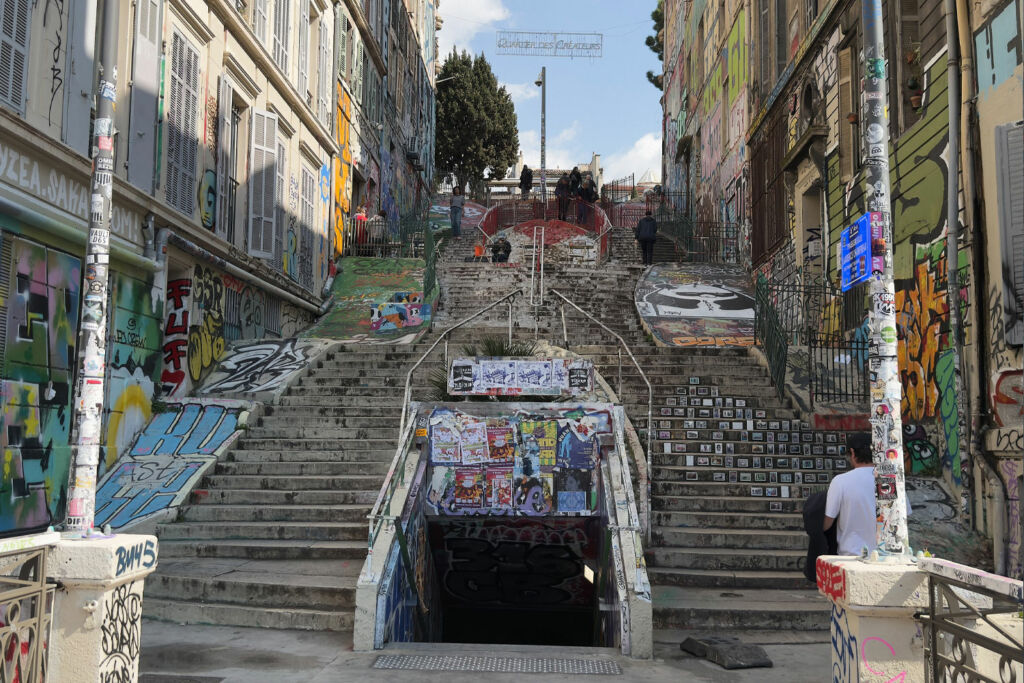
Cours Julien

Les grands escaliers du Cours Julien couverts de street art
Crédit photo : Mike is Michi / Wikimedia Commons – CC BY-SA 4.0 – image recadrée

A ten-minute walk from the Old Port, Cours Julien is one of Marseille’s most creative neighbourhoods. Once a wholesale market, it has become a hotspot for artists, showcasing street art murals along pedestrian streets amidst bookstores, thrift shops, designer boutiques, concert venues, and outdoor terraces.

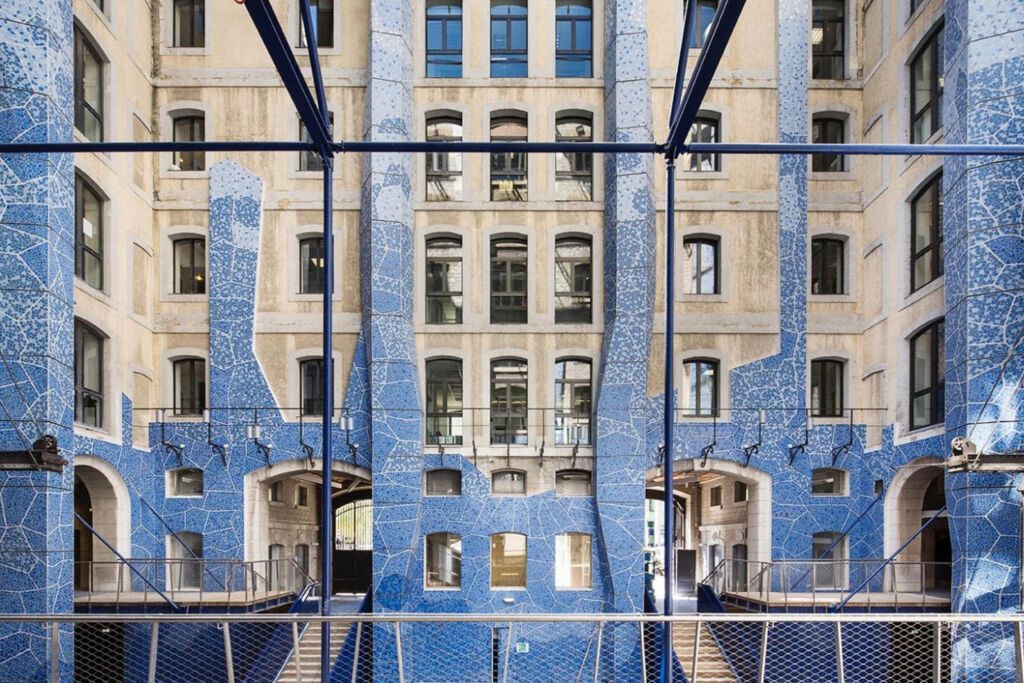
La Joliette and Les Docks

Les Docks de Marseille
Crédit photo : Luc Boegly / Wikimedia Commons – CC BY-SA 4.0 – image recadrée

Once a port district, La Joliette has been transformed in recent years. Les Docks, former 19th-century warehouses, now stand alongside shops, cultural venues and striking contemporary architecture, reflecting the meeting of Marseille’s industrial past and its ever-changing waterfront.

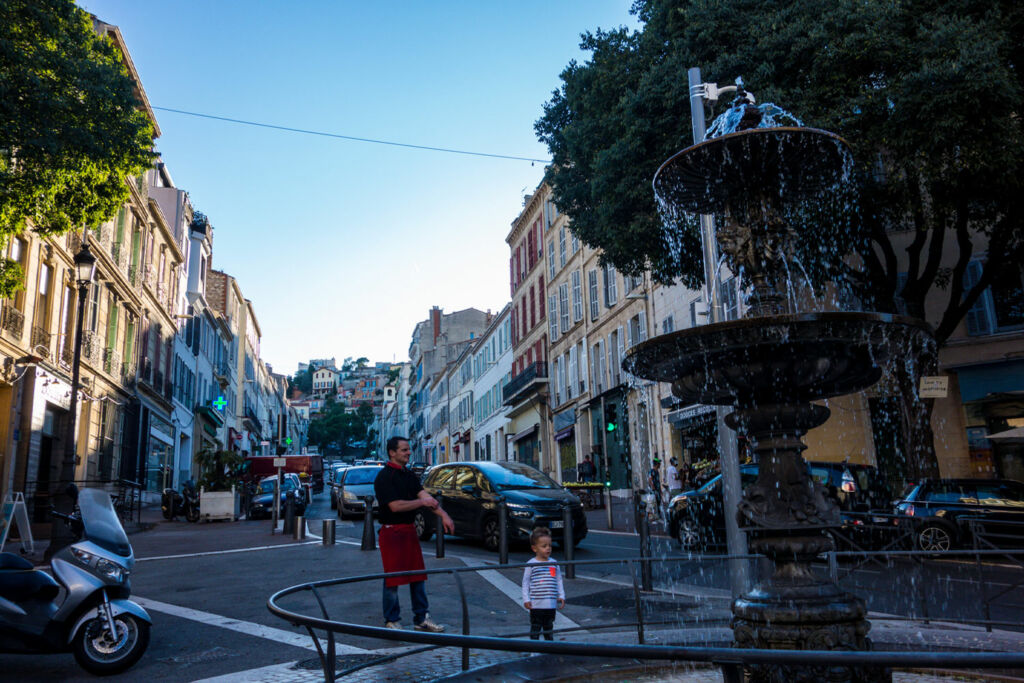
Vauban

Fontaine de la place Valère-Bernard (boulevard Vauban, Marseille 6e arr.)
Crédit photo : Klim Levene / Wikimedia Commons – CC BY 2.0 – image recadrée

Clinging to the slopes leading up to Notre-Dame-de-la-Garde, Vauban retains the feel of a village in the heart of the city. Once a working-class neighbourhood and now one of Marseille’s most sought-after areas, it blends small houses, local shops, restaurants, and sloping streets with occasional glimpses of the sea.

From Vauvan, football fans can extend their route to the Prado district and the Stade Vélodrome; the stadium’s massive white silhouette is inseparable from Olympique de Marseille and the passion of its supporters.

10 Great Places to Eat in Marseille

From the historic centre to the coast, Marseille offers no shortage of spots to take a break or wander about. Here are ten recommendations, depending on the neighbourhood and the route you take.

In Le Panier

La Table d’Augustine serves hearty Provençal and Mediterranean cuisine made with local, seasonal ingredients. Nearby, Ripaille offers a more bistro-style experience –family-friendly and full of bold, spicy flavours – in a welcoming atmosphere.

Around the Old Port and city centre

Facing the Old Port, the Michelin-starred Une Table au Sud creates contemporary cuisine deeply rooted in the Mediterranean. Just a few streets away, La Mercerie works with seasonal ingredients in a relaxed bistronomic style.

From Cours Julien to Notre-Dame-de-la-Garde

Near Cours Julien, La Cantinetta serves Italian cuisine in a tree-shaded patio. Up in the Saint-Victor district, Sépia offers seasonal dishes that conjoin land and sea.

By the sea

Heading south, Le Cabanon de Paulette offers the chance to enjoy lunch by the water in the Anse des Sablettes cove. In Les Goudes, La Marine – located right on the small harbour – and Tuba Club – facing the Mediterranean – offer two very different ways of extending the day while dining with a sea view. For something more unusual, you can reach Île Degaby by boat from Marseille. From April to November, its pop-up restaurant allows guests to enjoy lunch or dinner in the middle of the bay, inside the island’s old small fort.

5 ways to enjoy Marseille by the sea

In Marseille, the city always eventually meets the sea. Whether for a few hours or half a day, the Corniche, the islands, and the Calanques offer a variety of escapes. Choose based on the season, the time you have, and whether you feel like walking, swimming, or simply gazing at the horizon.

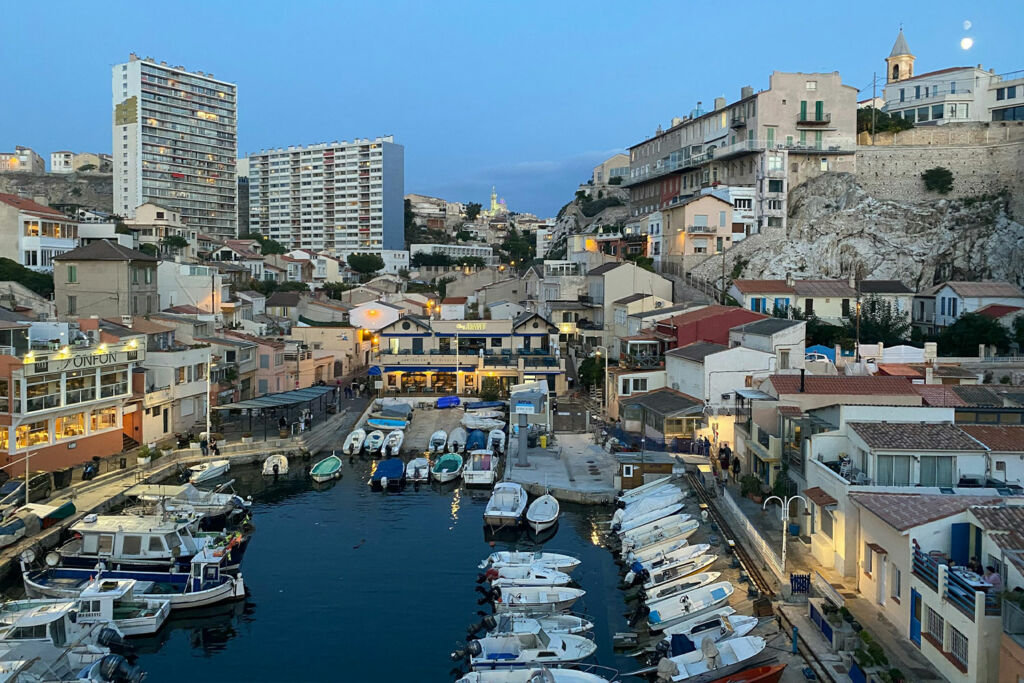
The Corniche and the Vallon des Auffes

Vallon des Auffes à Marseille

Starting from the Old Port, the Corniche Kennedy runs along the coast for several kilometres. Along the way, head down to the Vallon des Auffes, a small fishing harbour tucked beneath the arches of a 19th-century viaduct. Traditional “pointu” boats, small cabins, and waterfront restaurants make it a delightful spot to stop at the end of the day. You can also reach the cove from the Old Port in about fifteen minutes via the number 83 bus.

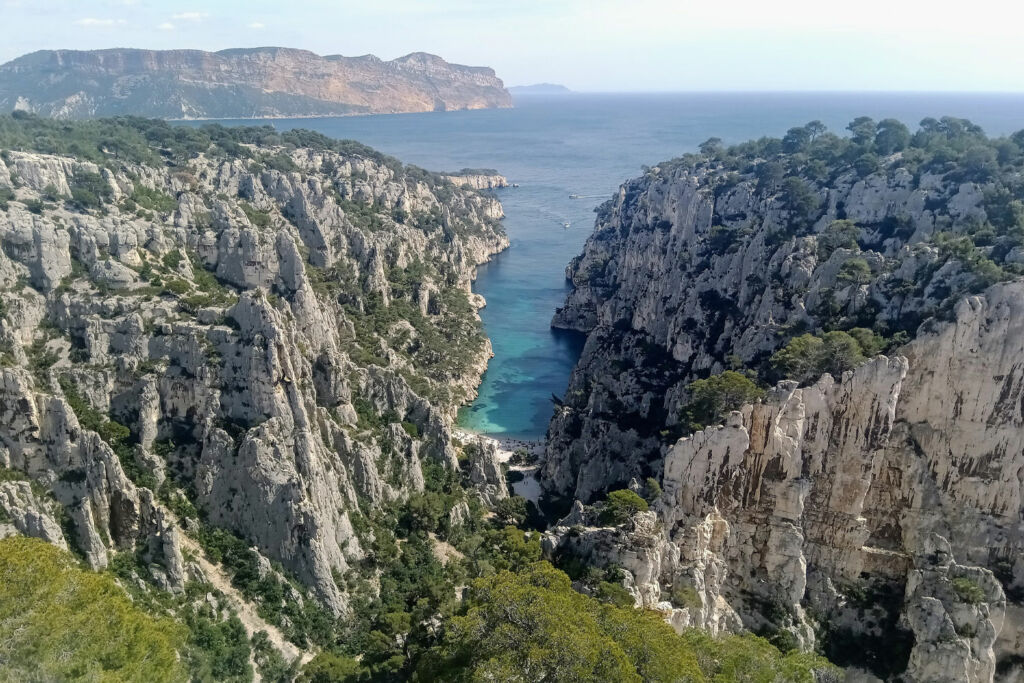
The Calanques National Park

Crédit photo : Rémih / Wikimedia Commons – CC BY-SA 4.0 – image recadrée

Limestone cliffs, pine trees, and turquoise waters: the Calanques National Park extends Marseille’s landscape into a much wilder coastal area. Here again, it is best to make this the main nature-focused activity of the day rather than just an extra stop after visiting the city centre. In summer, access to the massif is regulated based on fire risk, and the Sugiton Calanque requires a free reservation on certain dates.

La Friche de l’Escalette

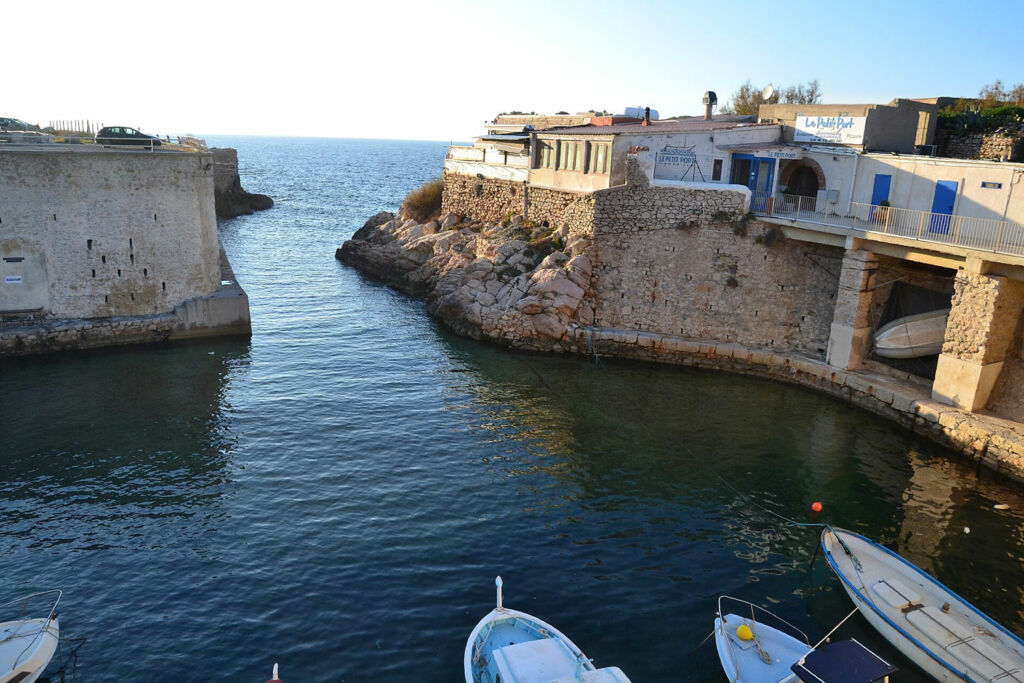
Petit port de l'Escalette à Marseille
Crédit photo : Jeanne Menjoulet / Wikimedia Commons – CC BY 2.0 – image recadrée

On the road to Les Goudes, a former 19th-century lead factory now hosts sculptures, architectural installations, and exhibitions overlooking the Mediterranean. La Friche de l’Escalette offers a unique blend of industrial heritage, contemporary art, and the landscape of the Calanques. Open to the public during the summer season by reservation, it makes for a distinctive stop before continuing on to Les Goudes and the Marseille coastline.

The Frioul Islands and the Château d’If

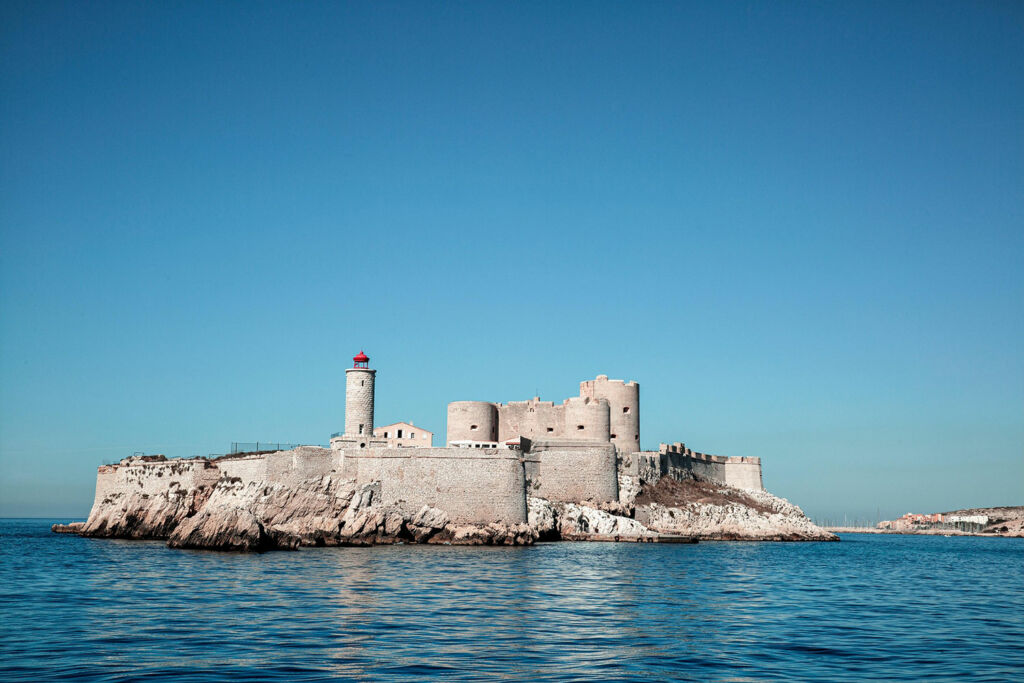
Château d'If à Marseille

Ferries from the Old Port take you to the Château d’If in about twenty minutes, continuing on to the Frioul archipelago. A fortress made famous by “The Count of Monte Cristo” novel and film/tv productions, alongside coves, hiking trails, and rugged rocky landscapes, reveal a completely different side of Marseille. Plan for a half-day trip and check the ferry schedule, as crossings may be suspended during bad weather.

The Prado and Pointe Rouge beaches

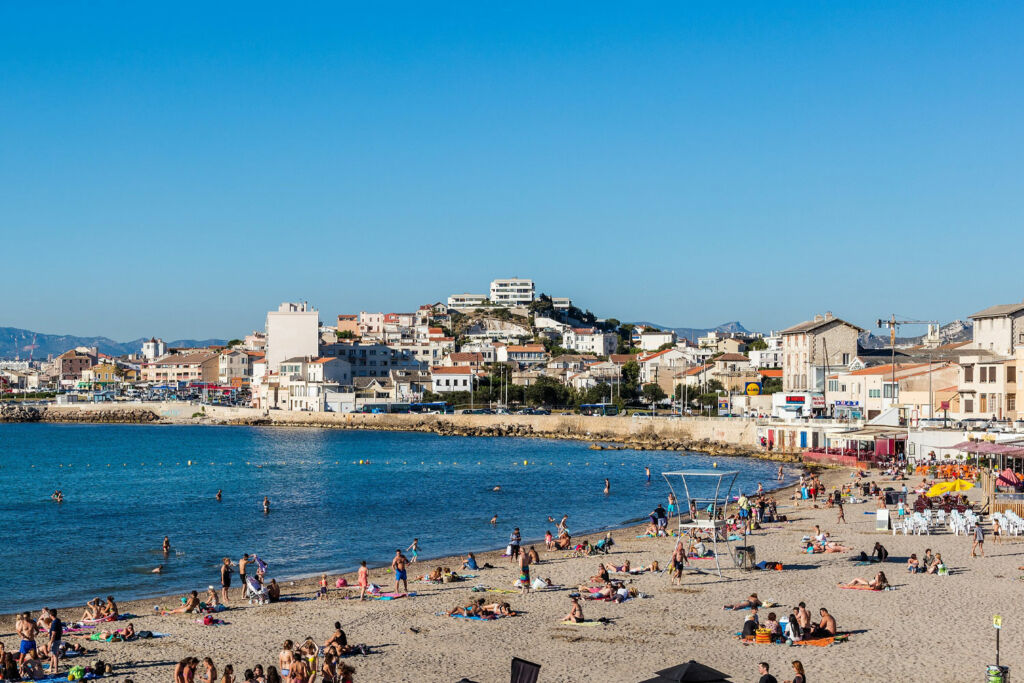
Plage de La Pointe Rouge à Marseille
Crédit photo : Diego Delso / Wikimedia Commons – CC BY-SA 4.0 – image recadrée

If the season allows, set aside a few hours for a swim. South of the city centre, the Prado beaches stretch towards Pointe Rouge, with spacious facilities and several supervised swimming areas in season. Reached from the centre by metro and bus, they offer an easy seaside break without devoting half a day to the Calanques.

FAQ

To easily reach the Vieux-Port, Le Panier, La Major, and the Mucem, the easiest option is to park near the Vieux-Port or the J4 area. The Q-Park Vieux Port Hôtel de Ville is convenient for heading to Le Panier, while the Indigo Vieux Port Mucem car park offers quick access to La Major, the Mucem, and Fort Saint-Jean.
The Vieux-Port, Le Panier, La Major, and the Mucem are easily explored on foot. To reach Notre-Dame-de-la-Garde, outlying neighborhoods, or the coast, the metro, tram, and bus networks allow you to leave your car parked and save time on travel.
The Calanques are better suited to those who enjoy hiking and grand natural landscapes. The Frioul Islands, meanwhile, offer a combination of a boat trip, a visit to the Château d’If, and a walk by the water. In either case, plan for a good half-day rather than just a quick stopover.
Spring and early summer / early autumn months are particularly pleasant for exploring Marseille on foot and enjoying the coastline in milder temperatures. Summer offers the chance to combine sightseeing with swimming, though the city is more crowded and access to certain areas of the Calanques may be restricted.
It is best to check opening times and access requirements for museums, exhibitions, and boat trips to the islands before you set off. In summer, access to the Calanques massif also depends on fire risk, and certain areas – such as the Sugiton cove – may require advance booking.